


Table of Contents
- Collagen vs Colostrum for Digestion: Overview and Key Differences
- What Collagen Does for Gut Health
- Bovine Colostrum Benefits for Gut Health and Immune Function
- How to Take Colostrum and Collagen Together for Maximum Digestive Support
- Side Effects of Colostrum Supplements and Collagen Safety
- Bioavailability and Absorption: Which Delivers Faster Results
- Which Should You Choose? A Practical Comparison for Digestive Health
- Conclusion
Last Updated: August 12, 2026
Collagen vs Colostrum for Digestion: Overview and Key Differences
Collagen and colostrum are bioactive proteins that support gut health through different mechanisms. Collagen is a structural protein found in your gut lining, while colostrum is nutrient-dense first milk packed with immunoglobulins, growth factors, and lactoferrin. Collagen repairs and reinforces the gut barrier itself; colostrum strengthens immune resilience and microbiome balance. The choice depends on whether your primary issue is intestinal permeability, compromised immune function, or both.
What Collagen Does for Gut Health
Collagen provides amino acids your body needs to repair gut lining integrity. The intestinal barrier is a single layer of cells held together by tight junctions; when these weaken (intestinal permeability or leaky gut), partially digested food particles and toxins cross into your bloodstream, triggering inflammation and digestive discomfort.
Hydrolyzed collagen peptides break down into amino acids your digestive system absorbs efficiently. Glycine supports stomach acid production for proper protein digestion, while proline is incorporated directly into collagen molecules that rebuild your gut lining's structural matrix. Hydroxyproline signals your body to produce more collagen naturally, so you're triggering your own production alongside supplementation.

Most people report noticing changes within 2-4 weeks. If your digestive issues stem from a compromised barrier, bloating after eating, recently developed food sensitivities, or general discomfort, collagen addresses the structural root. Most effective protocols use 10-15 grams daily; consistency matters more than occasional use.
Bovine Colostrum Benefits for Gut Health and Immune Function
Colostrum fortifies immune barriers and supports microbiome balance, the bacterial ecosystem that determines digestive function. It contains over 400 bioactive compounds, with immunoglobulins (particularly IgG), lactoferrin, and growth factors being most significant for digestive health.
Immunoglobulins are antibodies that patrol your gut lining and prevent pathogens from triggering inflammation. Lactoferrin modulates immune response and supports beneficial bacteria while inhibiting harmful ones. Growth factors like IGF-1 stimulate gut lining repair at the cellular level. Colostrum also contains prebiotics that feed beneficial bacteria, which produce short-chain fatty acids like butyrate that nourish gut lining cells and reduce inflammation.
For people experiencing bloating, irregular digestion, or immune challenges, colostrum often produces noticeable changes within 1-2 weeks. Grass-fed bovine colostrum contains higher bioactive compound concentrations than grain-fed alternatives; the 30% IgG concentration in premium formulations directly correlates with immune support intensity.

How to Take Colostrum and Collagen Together for Maximum Digestive Support
Using collagen and colostrum together addresses both immune and structural dimensions of digestive health. Colostrum prepares your gut environment while collagen provides structural materials for repair.
A practical approach: start with colostrum first if your primary concern is digestive discomfort or bloating. Colostrum's faster action (1-2 weeks) gives early feedback. After 2-3 weeks, add collagen for long-term gut barrier integrity. Alternatively, if your issue is chronic, start with collagen and add colostrum after 3-4 weeks.
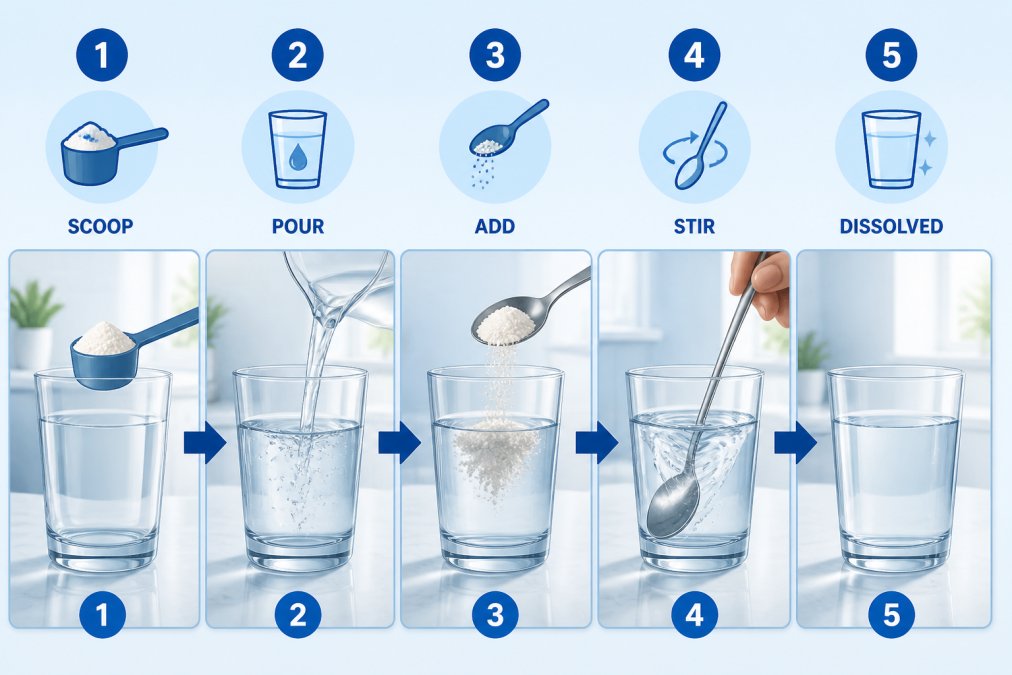
Timing matters less than consistency. Taking both with food optimizes absorption. Collagen peptides dissolve in hot or cold liquids for easy addition to coffee, tea, smoothies, or soups. Many people combine them in a single morning beverage.

Healthy Living Proteins combines colostrum, collagen, and probiotics in their Multi Collagen Peptides & Colostrum formula, addressing immune support, structural repair, and microbiome balance in a single daily serving.
Dosing protocol for combined use:
- Collagen: 10-15 grams daily
- Colostrum: 2-5 grams daily (varies by IgG concentration)
- Duration: minimum 30 days to assess effectiveness; 60-90 days for significant structural changes
Side Effects of Colostrum Supplements and Collagen Safety
Both supplements are generally well-tolerated. Collagen side effects are rare; the most common are mild temporary digestive adjustments (bloating or constipation for 1-2 days) when starting, which resolve as your system adapts. Increasing water intake typically prevents this. Allergic reactions are extremely uncommon unless you have a bovine allergy.
Colostrum side effects are slightly more common during adjustment because it actively modulates your immune system and microbiome. Temporary bloating or changes in bowel regularity are normal as your microbiome rebalances, typically resolving within 3-5 days. Some people report mild headaches or fatigue during the first week, often attributed to immune system activation.
Neither supplement interacts significantly with medications, though mention both to your healthcare provider if you're taking immunosuppressants or have an active autoimmune condition. Collagen is safe throughout pregnancy and nursing; colostrum is generally considered safe but consult your provider given immune-modulating activity. Neither is suitable for infants or young children.
Bioavailability and Absorption: Which Delivers Faster Results
Hydrolyzed collagen peptides are already broken into dipeptides and tripeptides, bypassing most digestion and absorbing directly in your small intestine. This achieves 90%+ bioavailability, but results take longer because collagen must accumulate in tissues and be incorporated into new molecules, taking weeks.
Colostrum's bioactive compounds work differently. Immunoglobulins work directly on your gut lining upon contact without needing bloodstream absorption. This is why colostrum produces faster symptom relief (1-2 weeks). Growth factors are absorbed and distributed systemically but work relatively quickly by signaling existing cells to increase repair activity.
If you need fast relief from acute digestive discomfort, colostrum typically wins. For chronic gut barrier weakness, collagen is more effective long-term. Taking either supplement with food increases bioavailability slightly. Consistency matters more than timing: daily use for 30 days produces measurable changes.
Which Should You Choose? A Practical Comparison for Digestive Health
The decision depends on your specific digestive concern and timeline.

Choose collagen if:
- Your primary concern is chronic intestinal permeability or "leaky gut" symptoms
- You have gradually developed food sensitivities
- You're looking for long-term structural support
- You can commit to 60-90 days before expecting significant results
Choose colostrum if:
- You experience acute bloating, digestive discomfort, or irregular digestion
- Your immune system feels compromised
- You want faster results (1-2 weeks vs. 4-8 weeks)
- You're dealing with microbiome imbalance
Choose both if:
- You have chronic digestive issues with both structural and immune components
- You want comprehensive gut health support
- You can maintain a consistent protocol for at least 60 days
| Aspect | Collagen | Colostrum | Winner for Digestion |
|---|---|---|---|
| Speed of Results | 4-8 weeks | 1-2 weeks | Colostrum |
| Structural Repair | Excellent | Moderate | Collagen |
| Immune Support | Minimal | Excellent | Colostrum |
| Microbiome Balance | Indirect | Direct | Colostrum |
| Long-term Barrier Integrity | Excellent | Moderate | Collagen |
| Cost per Serving | Lower | Higher | Collagen |
| Best For | Chronic issues | Acute symptoms | Both together |
Healthy Living Proteins offers both options separately and combined. Their Multi Collagen Peptides & Colostrum formula ($49.99) combines all five collagen types with grass-fed colostrum and probiotics in a single daily serving. The 30-day money-back guarantee lets you test the approach risk-free. Many customers report noticing digestive comfort changes within the first month, though structural improvements continue beyond that timeframe.
Conclusion
Choosing between collagen and colostrum isn't about picking the objectively "better" option, it's about matching the supplement to your specific digestive challenge. Collagen rebuilds gut barrier structural integrity, while colostrum fortifies immune defenses and microbiome balance. For most people experiencing chronic digestive discomfort, combining both addresses the structural and immunological dimensions of gut health simultaneously.
Healthy Living Proteins' Multi Collagen Peptides & Colostrum formula delivers comprehensive support in a single daily serving, featuring all five collagen types, grass-fed colostrum, and probiotics. With a 30-day money-back guarantee, you can test whether this combination addresses your digestive concerns without financial risk. Get started with Healthy Living Proteins and experience the difference that comprehensive protein replenishment makes for your digestive comfort and overall vitality.
Frequently Asked Questions
Can I take colostrum and collagen together for better digestive results?
Yes, colostrum and collagen work synergistically for digestive health. Collagen strengthens the intestinal lining through amino acid profiles like glycine and proline, while colostrum delivers immunoglobulins and growth factors that support gut barrier integrity and microbiome balance. Many users combine them to address both structural gut lining repair and immune resilience. Healthy Living Proteins offers a Multi Collagen Peptides & Colostrum formula that combines all 5 collagen types with grass-fed colostrum and probiotics for comprehensive digestive support.
What are the primary digestive benefits of bovine colostrum?
Bovine colostrum contains over 400 bioactive compounds including immunoglobulins (IgG), lactoferrin, and growth factors that strengthen gut barrier integrity and reduce intestinal permeability. These compounds support nutrient absorption, promote microbiome balance, and help reduce bloating and digestive discomfort. Colostrum also aids in healing the gut lining and supporting systemic inflammation reduction, making it particularly effective for those with sensitive digestion or leaky gut concerns.
What are the potential side effects of taking colostrum supplements?
Most people tolerate colostrum well, but some may experience mild digestive adjustment during the first week, including bloating or changes in regularity as the gut microbiome rebalances. Since colostrum is dairy-derived, those with dairy allergies should avoid it. Start with a lower dose and increase gradually to minimize adjustment. If you have IBS or a sensitive stomach, consult a healthcare provider before starting. Healthy Living Proteins formulates colostrum with probiotics to support digestive comfort and minimize side effects.
How long before I see results in my skin, hair, and digestion from collagen or colostrum?
Digestive improvements often appear first, typically within 1-2 weeks as gut barrier integrity begins to improve and nutrient absorption increases. Skin, hair, and nail changes typically take 4-8 weeks of consistent use, as collagen peptides must be absorbed and incorporated into connective tissue. Results depend on dose, consistency, hydration, and overall diet. Hydrolyzed collagen offers superior bioavailability, meaning faster absorption compared to non-hydrolyzed forms. Many users notice settling in digestion before visible cosmetic changes.
This article was written using GrandRanker