


Table of Contents
- What Is Bovine Colostrum and How Does It Work in the Gut?
- Does Colostrum Help With IBS? What Clinical Evidence Shows
- Colostrum, Gut Barrier Integrity, and Intestinal Permeability
- Collagen With Probiotics for Bloating and Digestive Comfort
- How to Take Colostrum for Digestive Health
- Side Effects of Colostrum Supplements and Safety Considerations
- IBS Subtype Specificity: Which Patients May Benefit Most
- Conclusion
Last Updated: August 20, 2026
What Is Bovine Colostrum and How Does It Work in the Gut?
Bovine colostrum is the nutrient-dense first milk produced by cows in the 24-48 hours after giving birth. Unlike mature milk, colostrum contains significantly higher concentrations of immunoglobulins (particularly IgG), lactoferrin, growth factors, and other bioactive components designed to support immune function and gastrointestinal health.
Colostrum may influence gut function through several key mechanisms. Immunoglobulins bind to pathogens and harmful bacteria in the digestive tract, potentially reducing intestinal inflammation. Lactoferrin exhibits antimicrobial and anti-inflammatory properties. Growth factors like insulin-like growth factor (IGF-1) and transforming growth factor beta (TGF-β) may support the repair and regeneration of intestinal epithelial cells, the protective barrier lining your gut.
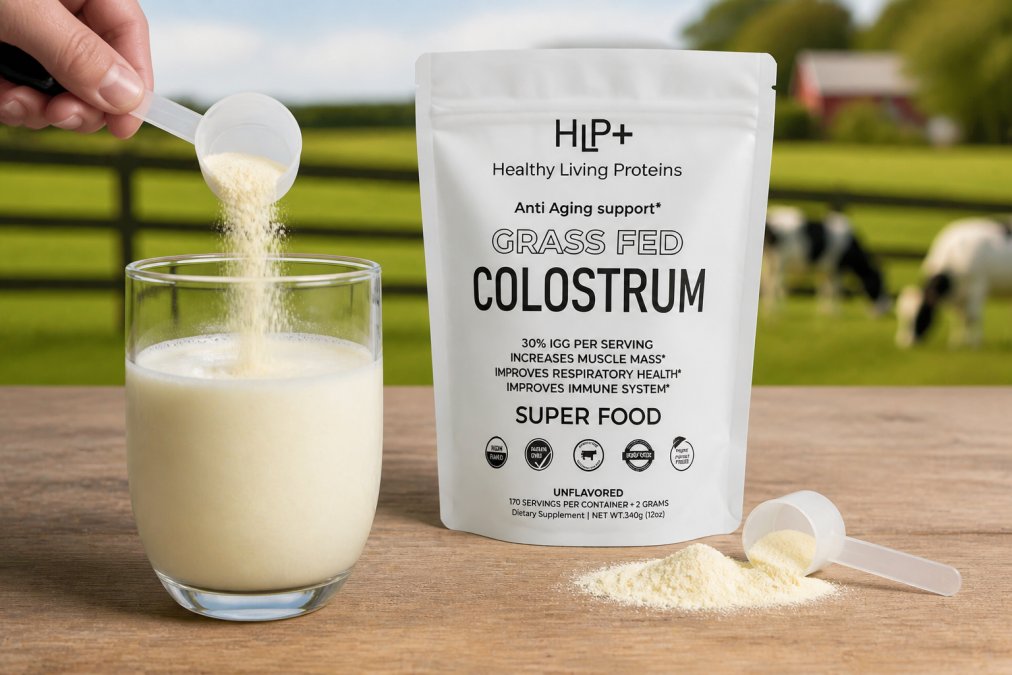
In healthy digestion, the intestinal lining maintains tight junctions that control what passes through into the bloodstream. When intestinal permeability becomes compromised, sometimes called "leaky gut", undigested food particles and bacterial lipopolysaccharides can trigger immune responses and inflammation. Colostrum's bioactive components may intervene by supporting mucosal immunity and strengthening epithelial cell integrity, potentially restoring barrier function and reducing the systemic inflammation that often accompanies IBS.
Does Colostrum Help With IBS? What Clinical Evidence Shows
The question of whether colostrum helps with IBS is more nuanced than a simple yes or no. Clinical evidence exists, but it remains limited and mixed. Several small-scale studies have examined colostrum's effects on gastrointestinal conditions, though many focus on general gut health rather than IBS specifically.
Studies examining colostrum supplementation in individuals with inflammatory bowel conditions have documented improvements in symptom management and intestinal barrier markers. However, IBS differs fundamentally from inflammatory bowel disease: IBS is a functional disorder characterized by abnormal gut motility and visceral hypersensitivity, whereas IBD involves actual mucosal damage and inflammation. This distinction matters because colostrum's anti-inflammatory and barrier-repair properties may address some IBS drivers but not others.
The evidence base for colostrum's effect on IBS symptoms like abdominal discomfort, bloating, and stool consistency remains sparse. Many practitioners recommend colostrum based on mechanistic reasoning rather than strong clinical data specific to IBS populations. This doesn't mean colostrum is ineffective; it means the research gap is real and individual responses vary considerably.
What we know from broader gastrointestinal research is that supporting mucosal immunity and intestinal barrier integrity can reduce pro-inflammatory cytokine production in the gut. For IBS sufferers, reducing systemic inflammation and stabilizing the gut-brain axis may translate to fewer symptom flares. Many report that combining colostrum with probiotics and hydrolyzed collagen creates a more comprehensive support system than colostrum alone.
Colostrum, Gut Barrier Integrity, and Intestinal Permeability
Many IBS patients exhibit increased intestinal permeability compared to healthy controls, meaning the tight junctions between epithelial cells are more permeable than normal. This allows bacterial antigens and food particles to cross into deeper tissue layers, triggering local and systemic immune responses.
Colostrum's growth factors, particularly IGF-1 and TGF-β, have demonstrated capacity to strengthen tight junction proteins in cell culture and animal models. These growth factors stimulate epithelial cell proliferation and enhance the expression of claudins and occludin, proteins critical to maintaining barrier integrity. When intestinal permeability is reduced, fewer bacterial lipopolysaccharides and food antigens penetrate the epithelial layer, reducing the inflammatory cascade that perpetuates IBS symptoms.
Lactoferrin, another major colostrum component, binds iron and exhibits antimicrobial activity against pathogenic bacteria. By reducing pathogenic load in the small intestine, lactoferrin may decrease bacterial overgrowth, a factor implicated in some IBS presentations, particularly small intestinal bacterial overgrowth (SIBO). Fewer pathogenic bacteria means less bacterial endotoxin production and reduced intestinal inflammation.
If your IBS involves barrier dysfunction and dysbiosis, colostrum supplementation may address root causes rather than just masking symptoms. However, IBS is heterogeneous. Some patients have primarily motility-driven symptoms with minimal barrier dysfunction, and for them, colostrum's barrier-repair properties may offer limited benefit.
Collagen With Probiotics for Bloating and Digestive Comfort
The combination of collagen with probiotics for bloating and digestive comfort represents a more comprehensive approach than colostrum alone. Hydrolyzed collagen contributes structural amino acids, particularly glycine and proline, that serve as building blocks for intestinal epithelial repair and collagen synthesis in the gut lining itself.
Probiotics work through multiple pathways: they produce short-chain fatty acids (particularly butyrate) that fuel colonocytes, they compete with pathogenic bacteria for intestinal real estate, and they produce bacteriocins that inhibit harmful microbes. In individuals with dysbiosis, an imbalance in the gut microbiome often present in IBS, probiotic supplementation can help restore healthy bacterial populations, reducing bloating caused by bacterial fermentation of poorly absorbed carbohydrates.
When you combine colostrum's immunoglobulins and growth factors, collagen's structural amino acids, and probiotics' metabolic and competitive benefits, you create a synergistic support system that addresses inflammation, barrier dysfunction, dysbiosis, and nutrient absorption simultaneously.
The Multi Collagen Peptides w/ Colostrum from Healthy Living Proteins combines all five collagen types with grass-fed colostrum, vitamin C, and probiotics. This formulation is specifically designed for individuals seeking comprehensive digestive support. The inclusion of vitamin C is important because it's a cofactor for collagen cross-linking and supports immune function.

Bloating often stems from bacterial fermentation of undigested carbohydrates and reduced intestinal motility. The combination of probiotics and collagen addresses both. Many individuals report reduced bloating within 2-4 weeks of consistent supplementation, though responses vary.
How to Take Colostrum for Digestive Health
Most clinical studies examining colostrum used doses ranging from 10-20 grams daily, divided into 2-3 servings. The Grass-Fed Bovine Colostrum from Healthy Living Proteins provides 30% IgG and delivers approximately 10 grams per serving, making it straightforward to achieve therapeutic doses.

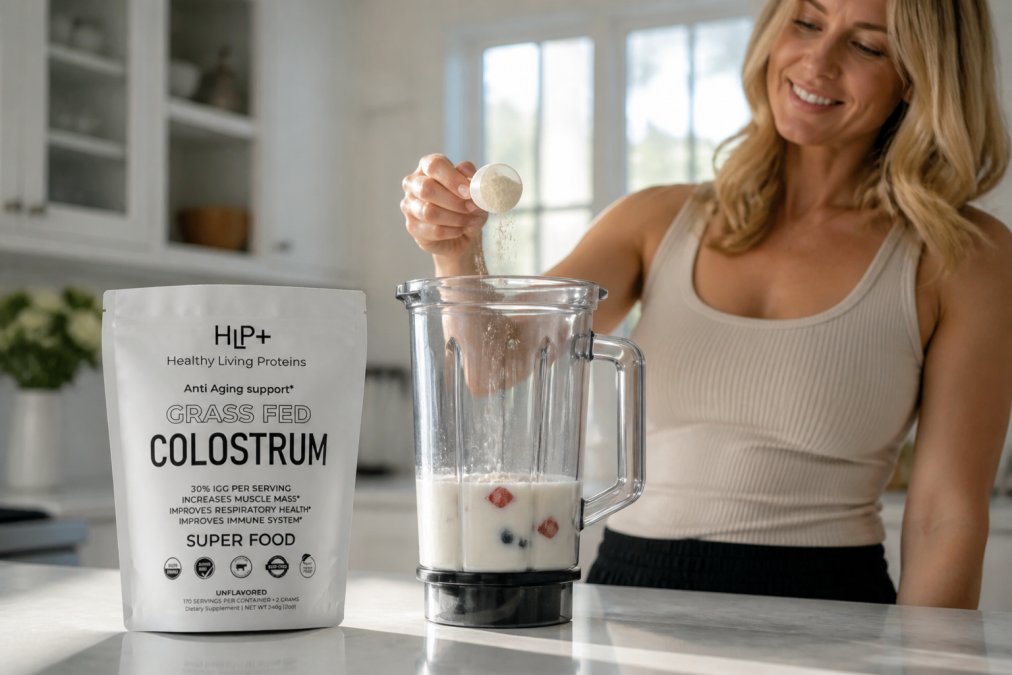
Taking colostrum on an empty stomach maximizes bioavailability. Mix it with room-temperature water or milk; heat can denature some bioactive proteins. Wait 15-20 minutes before consuming food.
Consistency is critical. Colostrum works best when taken daily over weeks and months. Most practitioners recommend a minimum of 30 days to assess whether you're experiencing symptom improvement. Some individuals notice changes within 1-2 weeks; others require 6-8 weeks of consistent use.
If you're taking colostrum alongside probiotics, separate them by at least 2 hours. Taking colostrum in the morning on an empty stomach and probiotics in the evening creates optimal spacing.
For individuals with IBS-D (diarrhea-predominant), start with a lower dose (5 grams daily) and titrate upward. For IBS-C (constipation-predominant), the standard dose is generally well-tolerated. For IBS-M (mixed), monitor your response closely and adjust timing and dose based on symptom patterns.
Side Effects of Colostrum Supplements and Safety Considerations
Colostrum is generally well-tolerated, but side effects do occur in some individuals. The most common reported effects are mild and transient: initial bloating, changes in stool consistency, mild abdominal cramping, or nausea. These typically resolve within 3-7 days as your digestive system adapts.
Colostrum introduces bioactive compounds that shift your gut microbiome, causing temporary increased bacterial fermentation and gas production. Starting with a lower dose and gradually increasing to the target dose over 1-2 weeks minimizes this effect.
Serious adverse effects are rare. Colostrum doesn't interact significantly with most medications. However, if you're immunocompromised or taking immunosuppressant medications, consult your healthcare provider before starting colostrum. The supplement's immune-stimulating properties could theoretically interfere with immunosuppressive therapy.
Allergic reactions to colostrum are uncommon but possible, particularly in individuals with severe dairy allergies. If you experience itching, swelling, hives, or respiratory difficulty, discontinue immediately and seek medical attention.
Quality and sourcing matter for safety. Colostrum from grass-fed cows raised without routine antibiotic use carries lower contamination risk. Products should be third-party tested for microbial contamination and heavy metals. Healthy Living Proteins sources grass-fed bovine colostrum and tests each batch for purity and potency.
IBS Subtype Specificity: Which Patients May Benefit Most
IBS is not a single condition. The Rome IV diagnostic criteria recognize three primary subtypes based on bowel habit patterns: IBS-D (diarrhea-predominant), IBS-C (constipation-predominant), and IBS-M (mixed). Colostrum's potential benefits vary considerably across these subtypes because the underlying pathophysiology differs.
IBS-D patients often exhibit increased intestinal permeability and dysbiosis. Colostrum's barrier-repair properties and immunoglobulin-mediated pathogen reduction align well with IBS-D drivers. These patients typically benefit most from colostrum supplementation, particularly when combined with probiotics that favor slower-transit, butyrate-producing strains. Expected improvements include reduced stool frequency, decreased urgency, and less abdominal discomfort.
IBS-C patients face the opposite problem: reduced motility and constipation. While barrier dysfunction and dysbiosis can coexist with IBS-C, the primary driver is often visceral hypersensitivity and reduced intestinal muscle contractions. Colostrum's growth factors support barrier integrity but don't directly address motility. IBS-C patients may see modest improvements in abdominal discomfort and bloating if dysbiosis is a contributing factor, but shouldn't expect colostrum alone to resolve constipation.
IBS-M patients experience alternating diarrhea and constipation, suggesting more complex dysregulation. These patients may see the most variable responses to colostrum because their symptoms fluctuate. A structured trial period of 6-8 weeks with careful symptom tracking is essential to determine whether colostrum is helping.
Patients with documented food sensitivities or suspected SIBO often respond better to colostrum. Conversely, patients whose IBS is primarily stress-induced or driven by visceral hypersensitivity without significant barrier dysfunction may see limited benefit from colostrum alone.
Colostrum works best when intestinal barrier dysfunction and dysbiosis are significant components of your IBS presentation. If your primary issue is stress-induced motility changes or visceral hypersensitivity without evidence of increased permeability, colostrum's benefit will be limited. Professional assessment of your specific IBS subtype and underlying drivers dramatically improves the likelihood of success.
Whether colostrum helps with IBS depends on your individual IBS subtype, barrier function status, and microbiome composition. For many people, particularly those with IBS-D, documented dysbiosis, or increased intestinal permeability, colostrum supplementation offers meaningful support for symptom management. The combination of colostrum with hydrolyzed collagen and probiotics creates a more comprehensive approach that addresses multiple IBS drivers simultaneously. The Grass-Fed Bovine Colostrum and Multi Collagen Peptides w/ Colostrum from Healthy Living Proteins are specifically formulated to support digestive health and gut barrier integrity. Start with a 30-day trial using consistent dosing, monitor your symptom patterns closely, and consult a healthcare provider if you have underlying conditions or take medications that might interact with colostrum supplementation.
Frequently Asked Questions
Does colostrum help with gut issues like IBS?
Colostrum contains immunoglobulins, lactoferrin, and growth factors that support mucosal immunity and gut barrier integrity. Preliminary clinical trials suggest potential benefits for symptom management in IBS, particularly for abdominal discomfort and stool consistency. However, evidence remains limited and varies by IBS subtype. Consult a healthcare provider to determine if colostrum supplementation is appropriate for your specific condition.
How long does it take to see results from colostrum for digestive health?
Most users report noticing changes in digestive function and abdominal discomfort within 2-4 weeks of consistent supplementation. Full benefits may take 8-12 weeks as the gut barrier repairs and dysbiosis improves. Individual results depend on IBS severity, gut microbiome composition, and overall health. Consistency with dosage matters more than expecting immediate relief.
What are the side effects of colostrum supplements?
Colostrum is generally well-tolerated, but some users experience mild bloating, nausea, or changes in stool consistency during the first 1-2 weeks as the gut adjusts. Those with dairy sensitivities may react to colostrum since it is a dairy product. Contraindications exist for individuals on immunosuppressive medications or with severe dairy allergies. Start with a lower dose and monitor your response; discontinue and consult a healthcare provider if adverse effects persist.
Should I take colostrum with probiotics for better IBS relief?
Combining colostrum with probiotics may enhance results since colostrum supports gut barrier integrity while probiotics help restore healthy gut microbiome balance and reduce dysbiosis. This combination addresses both inflammation and nutrient absorption. Products like Healthy Living Proteins' Multi Collagen Peptides with Colostrum include both ingredients plus probiotics, designed to work synergistically for digestive comfort and reduced bloating.
This article was written using GrandRanker