


Table of Contents
- Why Natural Immune Support Matters After 25
- Immune-Boosting Nutrients That Strengthen Your Defense
- The Role of Gut Health in Immunity
- Lifestyle Habits for Immunity: Sleep, Movement, and Stress
- Hydration, Weight, and Preventative Care
- Your 7-Day Action Plan to Boost Immune Function
- Conclusion: Sustaining Your Immune Strength
- Frequently Asked Questions
Last Updated: September 25, 2026
Why Natural Immune Support Matters After 25
After 25, your body's ability to fight off pathogens and recover from stress shifts. This signals that your approach to health needs to evolve.
Immune-Boosting Nutrients That Strengthen Your Defense
Your immune cells need specific building blocks to function. The nutrients that matter most are the ones your body can't manufacture on its own.
Vitamin D and Vitamin C: The Immune Essentials
Vitamin D is foundational. Your immune cells have receptors for vitamin D and cannot function optimally without adequate levels. Many adults over 25 are deficient, especially in winter.
Zinc, Antioxidants, and Micronutrients
Zinc directly supports white blood cells and immune response speed. A deficiency noticeably impairs immune function, while adequate zinc helps your body respond faster to threats.
The Role of Gut Health in Immunity
Your gut is where 70-80% of your immune system lives (The Interplay between the Gut Microbiome and the Immune System in the Context of...). Gut bacteria actively train your immune cells and prevent harmful pathogens from crossing into your bloodstream.
Probiotics and the Microbiome Connection
Probiotics are live beneficial bacteria that occupy space harmful bacteria might colonize and produce compounds supporting intestinal barrier function.
Colostrum and Immune Cell Support
Bovine colostrum is the nutrient-dense first milk produced by cows after birth, rich in immunoglobulins (IgG antibodies), lactoferrin, and growth factors that support immune cell development and gut barrier integrity.

Colostrum supports a healthier, more resilient microbiome.
Lifestyle Habits for Immunity: Sleep, Movement, and Stress
Nutrients are necessary but not sufficient. Your lifestyle habits determine whether your immune system can actually use those nutrients effectively.
Sleep Hygiene and Immune Recovery
Sleep is when your immune system does its deepest work. During deep sleep, your body increases cytokine production, which coordinates immune response. Without adequate sleep, immune function is severely compromised.
Physical Activity and Immune Cells
Moderate exercise increases white blood cell circulation and enhances immune cell function. Intense overtraining without adequate recovery suppresses immune function temporarily.
Stress Management and Cortisol Control
Chronic stress elevates cortisol, which suppresses immune function and reduces circulating immune cells available to fight pathogens. (Source: Centers for Disease Control and Prevention (CDC) on sleep recommendations)
Hydration, Weight, and Preventative Care
Your lymphatic system depends on adequate water intake to circulate immune cells. Aim for half your body weight in ounces daily as a baseline.
Environmental Toxin Reduction and Immune Burden
Your external environment creates a constant immune burden most people overlook. Environmental toxins force your immune system to work harder, leaving fewer resources for fighting pathogens.
Preventative Care and Immune Resilience
Preventative care means addressing obvious gaps before they become problems. If you have a known nutrient deficiency or chronic digestive discomfort, address the underlying cause rather than just managing symptoms.
Specific preventative steps:
- Get your vitamin D level tested (ask for 25-hydroxyvitamin D). If below 30 ng/mL, supplement 1000-4000 IU daily based on your baseline level, sun exposure, and skin tone.
- Address chronic inflammation markers. Persistent joint pain, digestive issues, or skin problems signal immune dysregulation. Work with a healthcare provider to identify the root cause.
- Optimize your gut barrier. Food sensitivities, bloating, or irregular digestion indicate a compromised gut barrier. Heal it through colostrum, L-glutamine, bone broth, and eliminating trigger foods.
- Get vaccinated according to CDC guidelines. Vaccination trains your immune system to recognize pathogens without severe infection risk.
Your 7-Day Action Plan to Boost Immune Function
Theory is useful. Action is what changes your immune function. Here's a realistic 7-day foundation you can implement immediately.
Days 1-2: Foundation Building
Day 1 actions:
- Assess your current sleep schedule. Write down your actual bedtime and wake time for the past week.
- Identify one colorful vegetable you'll add to dinner this week (aim for variety: red, orange, green).
- Measure your water intake today. Most people consume less than they think.
Day 2 actions:
- Establish a consistent bedtime. Pick a time 30 minutes earlier than your current average and commit to it.
- Add one probiotic-rich food to your diet: yogurt, sauerkraut, or kimchi at lunch or dinner.
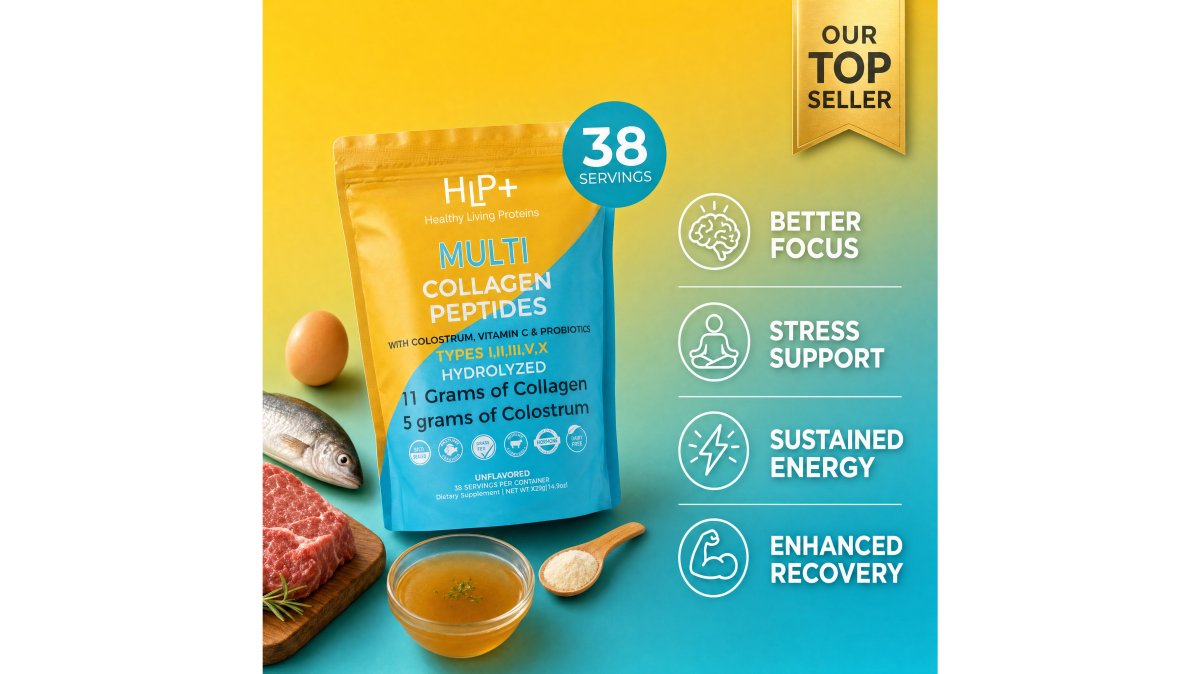
- Take your first dose of Healthy Living Proteins' Multi Collagen Peptides w/ Colostrum. The colostrum and probiotics in this formula directly support gut immunity, while the hydrolyzed collagen supports gut barrier integrity. Mix with water or add to your morning coffee.
Days 3-5: Habit Integration
Day 3 actions:

- Add a 20-minute walk to your day. This counts as moderate activity and stress management simultaneously.
- Eat three different colored vegetables at dinner.
- Continue your colostrum and probiotic intake.
Day 4 actions:
- Identify your stress trigger, the thing that consistently elevates your cortisol. Write it down.
- Set a boundary: if it's news consumption, limit to one 15-minute window daily. If it's work email, establish an end time.
- Add a second serving of vitamin C-rich food (citrus, berries, or bell peppers).
Day 5 actions:
- Complete your second walk of the week.
- Track your sleep quality. Rate it 1-10 each morning. This baseline matters for measuring progress.
- If you live in a region with limited sunlight, add a vitamin D supplement (1000-2000 IU daily is a safe maintenance dose for most adults).
Days 6-7: Momentum and Measurement
Day 6 actions:
- Evaluate what's working. Which new habits feel sustainable? Which feel forced?
- Keep the sustainable ones. Drop or modify the forced ones.
- Plan your week 2 additions (you'll add one new habit per week, not five at once).
Day 7 actions:
- Complete your third walk of the week.
- Review your sleep quality ratings. If you've improved, you're building momentum. If not, adjust your bedtime 15 minutes earlier.
- Commit to continuing your colostrum and probiotic intake for at least 30 days.
| Action | Frequency | Duration | Expected Timeline |
|---|---|---|---|
| Colostrum + probiotic intake | Daily | 30+ days | Noticeable gut changes by week 3-4 |
| Moderate exercise | 3x weekly | 20-30 min | Energy improvements within 2 weeks |
| Sleep consistency | Daily | 7-9 hours | Sleep quality improves within 1 week |
| Stress management | Daily | 10-15 min | Cortisol reduction measurable in 2-3 weeks |
| Hydration | Daily | Half body weight in oz | Improved energy within 3-5 days |
| Colored vegetables | Daily | 3+ varieties | Micronutrient status improves over weeks |
Conclusion: Sustaining Your Immune Strength
Building strong immune function requires consistency across multiple systems, not perfection in any single area. The 7-day plan above is your starting point, not your ceiling.
Frequently Asked Questions
What are the fastest natural ways to boost immune function?
The fastest results come from combining multiple approaches: start with sleep optimization (7-9 hours nightly), add moderate daily exercise, increase vitamin C and D intake through food or supplements, and manage stress through meditation or breathing exercises. Within 7 days, you'll notice improved energy and reduced illness frequency. Colostrum and probiotics support immune response more rapidly when your gut microbiome is already healthy, so prioritize hydration and whole foods first.
How does gut health affect immune function?
Your gut houses 70% of your immune cells. A healthy microbiome produces short-chain fatty acids that strengthen the intestinal barrier, preventing pathogens from entering your bloodstream. Probiotics and colostrum work together: probiotics colonize beneficial bacteria while colostrum (rich in IgG immunoglobulins) provides immediate immune support. When your gut is inflamed or dysbiotic, your immune response weakens. Supporting gut health with fermented foods, fiber, and targeted supplements directly strengthens your immune cells and cellular health.
Which immune-boosting nutrients are most important?
Vitamin D, vitamin C, and zinc are non-negotiable. Vitamin D regulates immune cell activation; vitamin C supports white blood cell function and acts as an antioxidant; zinc enables proper immune response. Beyond these, selenium, iron, and B vitamins support micronutrient-dependent immune processes. Colostrum provides growth factors and lactoferrin (a natural antimicrobial), while probiotics deliver anti-inflammatory compounds. A balanced diet covering leafy greens, citrus fruits, and protein sources covers most bases, but supplementation fills gaps, especially in winter months.
Can lifestyle changes alone fix a weak immune system?
Yes, lifestyle modifications address root causes: poor sleep suppresses immune cell production; chronic stress elevates cortisol (which inhibits immune response); sedentary behavior reduces lymphatic circulation. Fixing sleep hygiene, adding moderate exercise, and managing stress through daily practice can measurably improve immune function within weeks. However, if you have nutritional deficiencies or gut dysbiosis, supplements accelerate recovery. Most people see the biggest gains by combining lifestyle changes with targeted immune-boosting nutrients and gut health support.
How long does it take to see results from immune support?
Energy and resilience improvements appear within 7-14 days once you implement consistent changes. Measurable immune markers (like reduced cold frequency) typically shift within 4-8 weeks. Colostrum and probiotics work faster when your foundation is solid: prioritize sleep, hydration, and stress management first, then add supplements. The 30-day money-back guarantee means you can test whether it works for your body without financial risk.
Is colostrum safe for people with sensitive digestion?
Colostrum is generally well-tolerated because it's a natural food source designed to support infant immune and digestive development. However, if you have severe IBS or dairy sensitivity, start with a low dose (half a serving) to assess tolerance. Colostrum's lactoferrin and growth factors actually reduce intestinal inflammation over time. Pairing it with probiotics helps establish a balanced microbiome, which often improves IBS symptoms. If you experience worsening symptoms, consult a healthcare provider, individual responses vary, and professional guidance ensures safe supplementation.
The foundation you build now compounds for years. Your immune system responds to consistent input, not heroic efforts. Start with the 7-day plan, measure what changes, and build from there.