


Table of Contents
- Step 1: Eat Foods That Boost the Immune System Daily
- Step 2: Get the Right Vitamins for Your Immune System
- Step 3: How to Improve Gut Health for Immunity
- Step 4: Make Lifestyle Changes for Immunity That Actually Stick
- Step 5: Natural Ways to Boost Immunity Through Physical Activity
- Step 6: Hydration, Limiting Alcohol, and Avoiding Tobacco
- Step 7: Build a Seasonal Immune Support Routine
- Common Mistakes That Undermine Natural Ways to Boost Immunity
Last Updated: August 2, 2026
The immune system is your body's most sophisticated defense network. Natural ways to boost immunity are well within your reach through consistent, evidence-backed lifestyle choices. At Healthy Living Proteins, we work with thousands of adults over 25 who want to strengthen their defenses year-round. Most people assume immunity is largely genetic, but daily habits, diet, gut health, and sleep patterns shape your immune response far more than most guides acknowledge.
Here's what most immunity articles get wrong: they treat the immune system as a single switch you can flip with supplements. The truth is that white blood cells, cytokines, and the gut microbiome operate as an interconnected network. Pull one lever without supporting the others and you get minimal results. Below, we cover 10 concrete steps that address the full picture, including circadian rhythm alignment and seasonal immune support that generic listicles consistently skip.
Step 1: Eat Foods That Boost the Immune System Daily
Foods that boost the immune system work by supplying micronutrients your immune cells need, antioxidants that reduce oxidative stress, and phytonutrients that modulate inflammatory pathways. Dietary patterns that consistently deliver these compounds create a measurable advantage over time.
Immune-Boosting Foods Worth Prioritizing
The most effective immune-supporting foods deliver multiple active compounds rather than a single nutrient.
- Garlic: Contains allicin and organosulfur compounds that support white blood cell activity and reduce chronic inflammation.
- Ginger: Delivers gingerols and shogaols with well-documented anti-inflammatory and antioxidant properties.
- Citrus fruits: Dense in vitamin C, which supports immune cell production and helps neutralize free radicals.
- Leafy greens: Spinach, kale, and Swiss chard supply folate, magnesium, and vitamin K for cellular function.
- Berries: Blueberries, elderberries, and strawberries are high in anthocyanins, antioxidants linked to reduced oxidative stress.
- Fermented foods: Yogurt, kimchi, sauerkraut, and kefir introduce beneficial bacteria that reinforce the gut microbiome, which directly influences immune response.
Aim for at least five different colors of produce per day. Color diversity correlates with phytonutrient diversity, giving your immune system a broader range of tools.
According to Harvard T.H. Chan School of Public Health's nutrition and immunity overview, diets rich in whole plant foods are consistently associated with better immune function compared to diets high in processed foods and refined sugars.
Step 2: Get the Right Vitamins for Your Immune System
Three vitamins stand out: vitamin C, vitamin D, and zinc. Each operates through a distinct mechanism, and deficiency in any one noticeably impairs immune response.
Vitamin C supports the production and migration of white blood cells. Because the body cannot synthesize or store large amounts, consistent daily intake matters.
Vitamin D functions like a hormone, regulating genes involved in immune cell activation. Many adults in the US have suboptimal serum levels, particularly during winter months.
Zinc is essential for immune cell development and cytokine production. Even mild deficiency reduces immune competence. Selenium and magnesium also support cellular function and reduce inflammation.
Supplement Safety and Interactions: What to Watch For
Supplementing without understanding bioavailability and interactions is a common mistake. Fat-soluble vitamins like vitamin D accumulate in tissue, so excessive intake carries real risk. Zinc competes with copper for absorption, meaning high-dose zinc supplementation can create copper deficiency over time.
Before starting any supplement regimen, especially with prescription medications, consult a healthcare provider. The National Institutes of Health Office of Dietary Supplements publishes detailed fact sheets on safe upper limits for each nutrient.
Get your levels tested, correct genuine deficiencies first, and use food sources as your foundation. Supplements fill gaps, not substitutes.
| Nutrient | Primary Immune Role | Food Sources | Watch For |
|---|---|---|---|
| Vitamin C | White blood cell production | Citrus, bell peppers, kiwi | High doses may cause GI upset |
| Vitamin D | Immune gene regulation | Fatty fish, fortified dairy, sunlight | Fat-soluble; don't over-supplement |
| Zinc | Cytokine production | Oysters, beef, pumpkin seeds | Competes with copper at high doses |
| Selenium | Antioxidant defense | Brazil nuts, tuna, eggs | Narrow safe range; easy to over-supplement |
| Magnesium | Cellular function support | Nuts, seeds, dark leafy greens | Generally well-tolerated from food |
Step 3: How to Improve Gut Health for Immunity
The gut-immune axis is the most underappreciated factor in preventative health. Approximately 70% of your immune tissue resides in and around the gastrointestinal tract, making gut health and immune function inseparable.
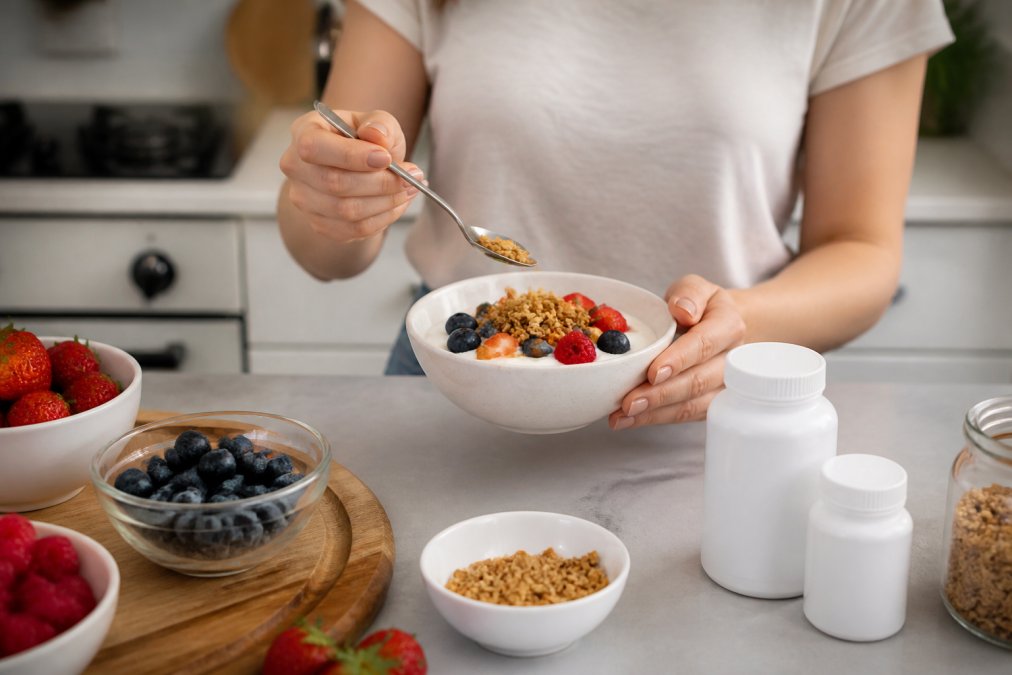
The gut microbiome trains immune cells to distinguish between harmful pathogens and harmless compounds. When microbial diversity drops, immune regulation becomes less precise, leading to either under-response to real threats or over-response that drives chronic inflammation.
How to improve gut health for immunity comes down to three consistent practices:
- Feed your beneficial bacteria. Prebiotic fiber from onions, leeks, asparagus, and oats fuels beneficial microbes.
- Introduce live cultures regularly. Probiotic-rich foods and quality supplements maintain bacterial diversity, particularly after illness or antibiotic use.
- Reduce gut disruptors. Excess alcohol, ultra-processed foods, and chronic stress all reduce microbial diversity within days.
Healthy Living Proteins includes both colostrum and probiotics because gut integrity and immune support are inseparable. Colostrum contains immunoglobulins and growth factors that support the gut lining and reinforce immune function simultaneously.
Step 4: Make Lifestyle Changes for Immunity That Actually Stick
The problem with most lifestyle advice is treating each habit as isolated. But lifestyle changes for immunity work because these systems are deeply interconnected. Poor sleep raises cortisol. Elevated cortisol disrupts the gut microbiome. A disrupted microbiome impairs immune regulation. Fix one without addressing the others and you're running in circles.
Sleep Hygiene and Circadian Rhythm Alignment
Sleep is when your immune system consolidates its defenses. During deep sleep, the body increases cytokine production, repairs cellular damage, and clears metabolic waste. Consistently sleeping fewer than seven hours per night is associated with reduced immune competence.
Circadian rhythm alignment takes this further. Your immune system operates on a 24-hour schedule tied to light and dark cycles. Irregular sleep timing disrupts immune cell activity patterns. Practical steps:
- Set a consistent wake time, even on weekends
- Get bright light exposure within 30 minutes of waking
- Dim screens and overhead lighting 90 minutes before bed
- Keep your bedroom temperature cool (65-68°F is optimal)
Sleep hygiene is one of the highest-use natural ways to boost immunity available.
Managing Chronic Stress and Cortisol Levels
Chronic stress is the immune system's most persistent enemy. Sustained elevated cortisol suppresses immune cell production and activity, reduces antibody response, and increases systemic inflammation. The physiological stress response was designed for short-term threats, not the low-grade, unrelenting pressure of modern life.
Effective cortisol management does not require elaborate protocols. Research consistently points to: daily moderate exercise, social connection, time in nature, mindfulness or breathwork, and adequate sleep. The key word is "daily." Occasional stress relief does not offset chronic stress exposure.
Step 5: Natural Ways to Boost Immunity Through Physical Activity
Here's a counterintuitive truth: more exercise is not always better. Moderate, consistent physical activity strengthens immune surveillance and reduces chronic inflammation. Extreme endurance exercise without adequate recovery can temporarily suppress immune function.
The sweet spot for most adults is 150 minutes of moderate-intensity activity per week, aligned with Centers for Disease Control and Prevention physical activity guidelines. Brisk walking, cycling, swimming, and strength training all qualify. Exercise increases circulation, allowing immune cells to move through the body more efficiently and detect pathogens earlier.
Strength training adds a specific benefit: it improves metabolic health and reduces visceral fat, both independently linked to better immune regulation.
Step 6: Hydration, Limiting Alcohol, and Avoiding Tobacco
Hydration status affects immunity directly. Adequate water intake supports lymphatic circulation, the transport system your immune cells travel through. Mucous membranes in the nose, throat, and lungs require consistent hydration to function properly. When dehydrated, these barriers become less effective.
Most adults need roughly eight to ten cups of water daily, though individual needs vary. Herbal teas, broths, and water-rich fruits and vegetables all count.
Alcohol is a direct immune suppressor. Even moderate regular consumption reduces cytokine production, impairs gut barrier integrity, and disrupts sleep architecture. Limiting alcohol to occasional use is one of the clearest natural ways to boost immunity.
Tobacco use, including vaping, damages the respiratory epithelium, the physical barrier that intercepts airborne pathogens. The immune burden of repairing this ongoing damage diverts resources from other defensive functions.
Step 7: Build a Seasonal Immune Support Routine
Immune demands shift with the seasons, and a static routine leaves predictable gaps.
Fall and winter: Vitamin D levels drop as sun exposure decreases. Cold, dry air compromises respiratory mucous membranes. Prioritize vitamin D supplementation, increase warm probiotic-rich foods, and reinforce sleep consistency as daylight shortens.
Spring and summer: Longer days support vitamin D synthesis naturally. Increased outdoor activity boosts circulation and reduces stress. Focus on hydration, managing allergy-related inflammation, and maintaining gut diversity through fresh seasonal produce.
Year-round non-negotiables: Consistent sleep timing, daily movement, whole-food dietary patterns, and stress management don't have an off-season. Seasonal adjustments layer on top of these foundations.
Common Mistakes That Undermine Natural Ways to Boost Immunity
Mistake 1: Treating supplements as a substitute for sleep and diet. No supplement stack compensates for chronic sleep deprivation or a diet dominated by ultra-processed foods.
Mistake 2: Ignoring gut health entirely. Adults who focus only on vitamins C and D while neglecting fiber intake, fermented foods, and probiotic support address maybe 30% of the immune picture.
Mistake 3: Short-term thinking. The immune system responds to sustained patterns, not isolated interventions. Taking zinc for a week when you feel a cold coming is less effective than maintaining adequate zinc status year-round.
Mistake 4: Over-supplementing without testing. Fat-soluble vitamins accumulate. Taking high-dose vitamin D without knowing your baseline serum levels is genuinely risky.
Mistake 5: Underestimating stress. Chronic stress is often the hidden variable that makes everything else less effective.
The National Institute of Allergy and Infectious Diseases overview of immune system basics provides useful reference for understanding how these systems interact.
| Step | Core Action | Primary Immune Benefit | Frequency |
|---|---|---|---|
| 1. Diet | Eat diverse, colorful whole foods | Micronutrient and antioxidant supply | Daily |
| 2. Vitamins | Address C, D, zinc gaps | Cellular function and cytokine support | Daily |
| 3. Gut health | Probiotics and prebiotic fiber | Gut-immune axis integrity | Daily |
| 4. Sleep | 7-9 hours, consistent timing | Cytokine production, cell repair | Nightly |
| 5. Stress | Breathwork, movement, social connection | Cortisol regulation | Daily |
| 6. Exercise | 150 min moderate activity/week | Immune cell circulation | 5x/week |
| 7. Hydration | 8-10 cups water daily | Lymphatic and mucosal barrier support | Daily |
| 8. Limit alcohol/tobacco | Reduce or eliminate | Preserve immune barrier function | Ongoing |
| 9. Seasonal adjustments | Adapt D, diet, and sleep by season | Fill seasonal immune gaps | Quarterly |
| 10. Supplement safety | Test before supplementing | Avoid toxicity and interactions | As needed |
Strengthening your immune system naturally takes consistent effort across multiple systems. Healthy Living Proteins was formulated specifically for adults over 25 who want comprehensive daily support, combining hydrolyzed collagen with all five collagen types, colostrum, and probiotics to address gut integrity and immune function together. With over 15,000 customers and a 30-day money-back guarantee, there's no risk in seeing what targeted, well-absorbed nutrition can do for your immune resilience. Get started with Healthy Living Proteins and give your immune system the daily foundation it needs to perform year-round.
Frequently Asked Questions
What foods naturally boost the immune system?
Foods rich in antioxidants, phytonutrients, and micronutrients are your best starting point. Garlic contains allicin, which has well-studied antimicrobial properties. Citrus fruits supply vitamin C to support white blood cell production. Ginger helps reduce inflammation. Leafy greens deliver magnesium and selenium. Fermented foods like yogurt and kefir introduce beneficial probiotics that strengthen the gut microbiome, which plays a central role in regulating immune response. Variety across dietary patterns matters more than any single superfood.
What vitamins are good for boosting immunity?
Vitamin C, vitamin D, and zinc are the three most studied micronutrients for immune function. Vitamin C supports cellular function and reduces oxidative stress. Vitamin D regulates cytokine production and is commonly low in adults who spend limited time outdoors. Zinc is essential for white blood cell development and pathogen defense. Selenium also plays a supporting role. Before adding supplements, check serum levels with your doctor, since both deficiency and excess can disrupt immune-modulating processes.
What lifestyle changes can improve immunity naturally?
Consistent sleep of seven to nine hours per night is one of the highest-impact lifestyle changes for immunity, as the body produces cytokines during deep sleep. Regular moderate exercise reduces chronic inflammation. Reducing chronic stress lowers cortisol, which suppresses immune response when elevated long-term. Staying well-hydrated supports lymphatic circulation. Limiting alcohol protects gut microbiome diversity. These lifestyle habits compound over time, making daily consistency more valuable than any short-term fix.
How can I naturally strengthen my immune system fast?
There are no shortcuts that bypass basic biology, but a few natural ways to boost immunity show results relatively quickly. Prioritizing sleep for several consecutive nights improves immune markers noticeably. Correcting a vitamin D or zinc deficiency under medical guidance can restore normal immune response within weeks. Cutting back on alcohol and processed sugar reduces systemic inflammation. Adding fermented foods supports the gut-immune axis. These steps work best together rather than in isolation.
Does exercise help boost immunity?
Yes, moderate physical activity supports immune function by improving circulation, reducing inflammation, and helping regulate cortisol. Studies consistently show that adults who exercise regularly experience fewer and shorter respiratory illnesses. The key word is moderate: very high-intensity training without adequate recovery can temporarily suppress immune response. Aim for 150 minutes of moderate aerobic activity per week, as recommended by the CDC's physical activity guidelines, combined with two days of strength training.
Can stress affect my immune system?
Chronic stress is one of the most significant suppressors of immune function. Sustained high cortisol levels reduce the production of white blood cells and interfere with cytokine signaling, leaving the body less equipped to fight pathogens. Short-term stress has a smaller impact, but ongoing psychological pressure, poor sleep, and metabolic health issues create a cycle that steadily weakens immune response. Practical stress management, including regular movement, breathwork, and adequate rest, directly supports preventative health.
This article was written using GrandRanker