


Table of Contents
- What Is Bovine Colostrum and Why It Matters for Aging Immunity
- How Colostrum Strengthens Immune Defense in Seniors
- Gut Health and the Gastrointestinal Barrier
- How to Boost Immunity Naturally for Seniors: Colostrum as Part of Your Protocol
- Colostrum Supplement Dosage for Elderly: Finding Your Optimal Amount
- Safety of Colostrum Supplements: What Seniors Need to Know
- What the Research Says: Clinical Evidence for Colostrum and Immune Health
- Frequently Asked Questions
Last Updated: September 2, 2026
What Is Bovine Colostrum and Why It Matters for Aging Immunity
Bovine colostrum is the nutrient-dense first milk produced by cows after giving birth. It's packed with bioactive compounds that support immune function and gut health, making it particularly relevant for seniors whose immune systems naturally decline with age.
The composition of colostrum: immunoglobulins and lactoferrin
Colostrum's power lies in its unique composition of immunoglobulins (particularly IgG), lactoferrin, and proline-rich polypeptides, all of which play direct roles in immune defense.
Immunoglobulins are antibodies that recognize and neutralize pathogens. IgG, the dominant immunoglobulin in bovine colostrum, crosses the intestinal barrier and circulates systemically, supporting both mucosal and systemic immunity. Lactoferrin is an iron-binding protein with antimicrobial properties that also regulates inflammatory responses and supports gastrointestinal barrier integrity.
A quality colostrum supplement like Healthy Living Proteins' Grass-Fed Bovine Colostrum delivers 30% IgG per serving, ensuring a meaningful dose of protective compounds. Grass-fed bovine colostrum retains more heat-sensitive bioactive compounds than conventional alternatives.

How immune function changes with age
Immunosenescence, the age-related decline in immune function, is well-documented. As we age, the thymus gland shrinks, T-cell production decreases, and the immune system becomes less efficient at recognizing threats. This is why seniors are more susceptible to upper respiratory infections, delayed wound healing, and prolonged recovery from illness.
The gastrointestinal barrier also weakens with age. The intestinal lining becomes more permeable, allowing bacterial lipopolysaccharides (LPS) to enter circulation and trigger chronic low-grade inflammation. This systemic inflammation accelerates immune decline and contributes to age-related disease.
Colostrum addresses these vulnerabilities by supporting functional immune mechanisms, reducing gut permeability, and modulating excessive inflammatory responses. It's a targeted nutritional intervention rather than a cure.
How Colostrum Strengthens Immune Defense in Seniors
Colostrum supports immune homeostasis, the balance between protective immunity and excessive inflammation, rather than overstimulating the immune system. For seniors, this distinction is crucial.
Mucosal immunity and upper respiratory protection
The mucosal immune system is your first line of defense against inhaled pathogens. IgA antibodies in the respiratory tract mucosa bind to viruses and bacteria, preventing attachment to epithelial cells. Colostrum contains both IgA and IgG, which support this mucosal barrier.
Upper respiratory tract infections are particularly problematic for seniors because the mucosal immune response weakens with age. Colostrum's lactoferrin and immunoglobulins help reinforce this barrier, reducing infection duration and recovery time.

When you consume colostrum, these bioactive compounds reach the gut, where they're absorbed and distributed systemically. Some remain in the gastrointestinal tract, supporting local mucosal immunity. This dual action, local and systemic, makes colostrum a comprehensive immune support tool.
Immune modulation and cytokine balance
Cytokines are signaling molecules that coordinate immune responses. In aging, pro-inflammatory cytokines like TNF-alpha and IL-6 increase even at rest, driving chronic inflammation, while anti-inflammatory cytokines decline.
Colostrum contains proline-rich polypeptides and other bioactive compounds that help modulate cytokine production, supporting immune balance rather than simply boosting activation. This is critical for seniors because aggressive immune stimulation can trigger excessive inflammation that damages tissue and accelerates aging.
Research suggests colostrum works best as sustained supplementation, consistent daily use over weeks, allowing bioactive compounds to establish a new baseline of immune regulation.
Gut Health and the Gastrointestinal Barrier
The gut barrier is the physical foundation of immune defense. A healthy intestinal lining prevents pathogenic bacteria and toxins from entering circulation; a compromised barrier allows endotoxins to trigger systemic inflammation.
Colostrum supports barrier integrity through multiple mechanisms. Lactoferrin reduces pathogenic bacterial overgrowth, allowing beneficial microbiota to thrive. IgA and IgG antibodies neutralize pathogens before they damage the intestinal epithelium. Growth factors in colostrum support repair and regeneration of intestinal cells.
For seniors with compromised gut permeability, this support is valuable. Many older adults experience digestive discomfort or food sensitivities linked to barrier dysfunction. Colostrum addresses a root cause by strengthening the physical barrier and supporting beneficial microbial balance.
Healthy Living Proteins' Multi Collagen Peptides with Colostrum combines colostrum with hydrolyzed collagen types I-V and probiotics, specifically designed to support both gut barrier integrity and the microbial ecosystem.

How to Boost Immunity Naturally for Seniors: Colostrum as Part of Your Protocol
Colostrum is most effective as part of a broader immune support strategy:
-
Establish baseline gut health. Address digestive issues through dietary modifications, stress reduction, and sleep before adding colostrum.
-
Start with consistent daily supplementation. Colostrum requires sustained use to establish immune modulation. Most practitioners recommend 8-12 weeks of daily use before evaluating effectiveness.
-
Combine with complementary practices. Sleep, stress management, moderate physical activity, and a nutrient-dense diet all support immune function. Colostrum amplifies these efforts.
-
Support respiratory health seasonally. During high-risk periods, increase colostrum dosage or add complementary practices like saline nasal irrigation or increased vitamin D intake.
-
Monitor and adjust. Track infection frequency, recovery speed, and digestive comfort. Most seniors notice improvements within 6-8 weeks of consistent use.
Colostrum Supplement Dosage for Elderly: Finding Your Optimal Amount
Determining the right colostrum dosage depends on your age, baseline immune function, and specific health goals.
Bioavailability and absorption in aging digestive systems
As we age, stomach acid production decreases, digestive enzyme output declines, and intestinal absorption efficiency drops. Bioavailability, the percentage of a consumed nutrient that enters circulation, becomes critical.
Colostrum's bioactive compounds are relatively stable to stomach acid. However, overall absorption still declines with age, which is why dosage recommendations for seniors are often higher than for younger adults.
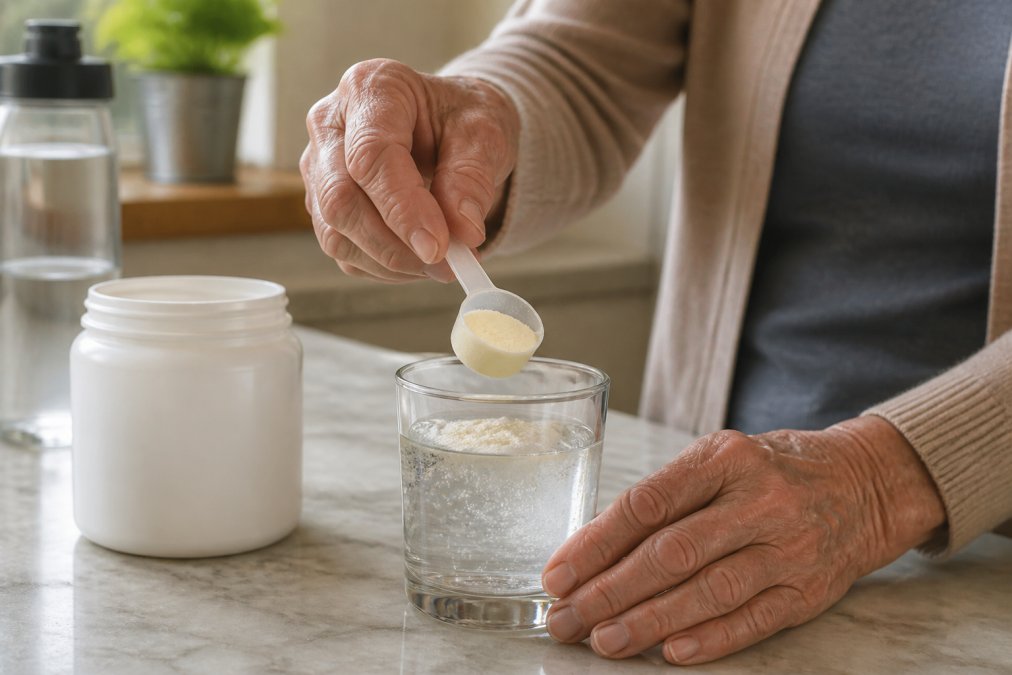
Healthy Living Proteins' formulas emphasize hydrolyzed delivery so smaller peptides are easier for aging digestive systems to absorb.
Practical dosage guidelines for seniors:
-
Maintenance dose (preventive use): 5-10 grams daily, typically taken in the morning with water or mixed into a beverage.
-
Therapeutic dose (during illness or high-risk periods): 15-20 grams daily, divided into two doses (morning and evening).
-
Sensitive digestive systems: Start with 5 grams daily and increase gradually over 2-3 weeks.
Taking colostrum on an empty stomach or with a small amount of food maximizes absorption. Avoid high-fat meals, which slow gastric emptying and reduce bioavailability.
Safety of Colostrum Supplements: What Seniors Need to Know
Bovine colostrum has a strong safety profile for most adults. Adverse effects are rare and serious complications uncommon. However, seniors on medications or with specific health conditions should understand potential interactions.
Drug-supplement interactions for seniors
Seniors typically take multiple medications. Colostrum itself does not directly interact with most medications, but there are nuances worth understanding.
Colostrum's lactoferrin has mild anticoagulant properties. If you're taking warfarin or other anticoagulants, discuss colostrum use with your healthcare provider. The interaction is unlikely to be clinically significant, but your provider may recommend monitoring.
Colostrum's probiotic content could theoretically interact with immunosuppressive medications used after organ transplant or for autoimmune conditions. The risk is low, but it warrants professional discussion.
For seniors taking diabetes medications, colostrum's effect on blood glucose is minimal and well-tolerated. If you experience unexpected changes in blood sugar levels after starting colostrum, inform your healthcare provider.
Inform your doctor or pharmacist that you're considering colostrum supplementation so they can review your specific medication profile.
Quality and sourcing transparency
Not all colostrum products are equal. The source, processing methods, and testing standards dramatically affect both safety and efficacy.
What to look for:
-
Grass-fed sourcing. Colostrum from grass-fed cattle contains higher concentrations of bioactive compounds compared to grain-fed sources.
-
Third-party testing. Reputable manufacturers test for pathogenic bacteria, heavy metals, and pesticide residues. Ask for a Certificate of Analysis (COA).
-
Processing transparency. Low-temperature processing preserves heat-sensitive compounds. The manufacturer should disclose their processing method.
-
IgG percentage labeling. Products should clearly state IgG concentration per serving. Therapeutic-grade colostrum contains 20-30% IgG.
Healthy Living Proteins' Grass-Fed Bovine Colostrum delivers 30% IgG, is sourced from grass-fed cattle, and includes transparent processing and third-party testing.
What the Research Says: Clinical Evidence for Colostrum and Immune Health
While research on bovine colostrum's immune effects in seniors is still emerging, available evidence supports its use as an immune support supplement.
Studies show that colostrum's immunoglobulins and lactoferrin survive gastric digestion and reach the intestinal tract intact, where they bind to pathogens and support mucosal immunity. Lactoferrin specifically reduces pathogenic bacterial colonization while supporting beneficial microbiota.
Clinical trials on colostrum supplementation in older adults are limited, but studies in younger populations show consistent benefits for upper respiratory tract infection prevention and recovery speed. The immune mechanisms studied, mucosal immunity, cytokine modulation, and barrier integrity, are the same mechanisms that decline with age.
Evidence is strongest for colostrum as a preventive supplement used consistently over weeks or months. Sustained daily supplementation is the recommended protocol.
Colostrum for immune support for seniors is an evidence-informed strategy for addressing age-related immune decline through targeted nutritional intervention. Rather than reversing aging itself, colostrum supports functional immune mechanisms while reducing chronic inflammation and strengthening the gastrointestinal barrier.
Healthy Living Proteins' Grass-Fed Bovine Colostrum (30% IgG) and Multi Collagen Peptides with Colostrum are specifically formulated for adults seeking comprehensive immune and gut health support. With a 30-day money-back guarantee, there's no risk in testing whether colostrum fits your wellness protocol. Start with a maintenance dose of 5-10 grams daily and track changes in infection frequency, recovery speed, and digestive comfort over 6-8 weeks.
| Dosage Level | Daily Amount | Best For | Timeline to Results |
|---|---|---|---|
| Maintenance | 5-10g | Preventive immune support | 6-8 weeks |
| Therapeutic | 15-20g (split doses) | During illness or high-risk periods | 2-4 weeks |
| Sensitive digestion | Start 5g, increase gradually | Seniors with digestive adjustment concerns | 2-3 weeks to tolerance |
National Institutes of Health research on immunosenescence and aging immunity
Journal of Dairy Science studies on bovine colostrum composition and bioactivity
FDA guidance on dietary supplements and quality standards for colostrum products
Frequently Asked Questions
Q: Should seniors take colostrum for immune health?
A: Seniors can benefit from colostrum supplementation as part of a comprehensive immune support strategy. Bovine colostrum contains immunoglobulins, lactoferrin, and bioactive compounds that address age-related immune decline. However, individual health circumstances vary. Consult your healthcare provider before starting colostrum, especially if you take medications or have existing health conditions. Many seniors find colostrum helpful for maintaining everyday immune function and supporting gut health.
Q: What are the potential side effects of colostrum supplements for older adults?
A: Most seniors tolerate colostrum well when taken as directed. Some experience mild digestive adjustments initially, such as slight bloating or changes in bowel movements, which typically resolve within a few days. Because colostrum contains bioactive compounds, seniors with dairy sensitivities or those taking immunosuppressant medications should discuss use with their doctor. Grass-fed colostrum from reputable sources minimizes contaminant risk. Start with a lower dose to assess tolerance.
Q: How does bovine colostrum interact with aging immune systems?
A: Age-related immune decline, or immunosenescence, reduces the body's ability to mount effective immune responses. Bovine colostrum supplies proline-rich polypeptides, immunoglobulins, and lactoferrin that support immune modulation and mucosal immunity. Rather than overstimulating immunity, colostrum helps restore balance and strengthen the gastrointestinal barrier, which deteriorates with age. This supports both local gut immunity and systemic immune homeostasis, helping seniors maintain consistent immune defense year-round.
Q: What does current research say about colostrum and gut health in seniors?
A: Clinical research indicates that colostrum's bioactive compounds support gastrointestinal barrier integrity and reduce gut permeability. For seniors, this is significant because aging weakens the intestinal lining, allowing harmful substances to trigger systemic inflammation and oxidative stress. Studies show colostrum promotes beneficial microbiome support and tissue repair in the digestive tract. When combined with probiotics, as in comprehensive formulas, colostrum offers a supplemental adjunct to maintain comfortable digestion and support immune function from the gut up.
This article was written using GrandRanker