


Table of Contents
- Digestive Enzymes vs Probiotics: The Core Difference
- How Digestive Enzymes Work for Bloating
- How Probiotics Support Gut Health and Reduce Bloating
- Signs You Need Digestive Enzymes
- Benefits of Taking Probiotics Daily
- Natural Ways to Reduce Bloating: Enzymes, Probiotics, and Beyond
- Can You Take Digestive Enzymes and Probiotics Together?
- Conclusion
- Frequently Asked Questions
Last Updated: September 30, 2026
Digestive Enzymes vs Probiotics: The Core Difference
Digestive enzymes and probiotics are both powerful tools for gut health, but they work in fundamentally different ways. Understanding the distinction between digestive enzymes vs probiotics is essential if you're dealing with bloating or other digestive discomfort.
Digestive enzymes break down food into smaller molecules your body can absorb. Probiotics are live beneficial bacteria that colonize your gut microbiota and support long-term digestive balance. One provides immediate relief; the other builds lasting health. Think of enzymes as a short-term solution and probiotics as a long-term investment in your gut microbiome.
Most people benefit from understanding when each approach works best, and whether combining them makes sense for your specific situation.
How Digestive Enzymes Work for Bloating
Digestive enzymes accelerate the breakdown of proteins, fats, and carbohydrates in your digestive tract. When you consume food, your stomach and small intestine naturally produce enzymes to break down complex meals. If your enzyme production is insufficient, undigested food ferments in your gut, creating gas and bloating.
Supplemental digestive enzymes work by doing the job your body struggles to complete. They target specific macronutrients: protease breaks down proteins, lipase handles fats, and amylase processes carbohydrates. This is why digestive enzymes often provide relief within hours of taking them, they're actively working to prevent fermentation.
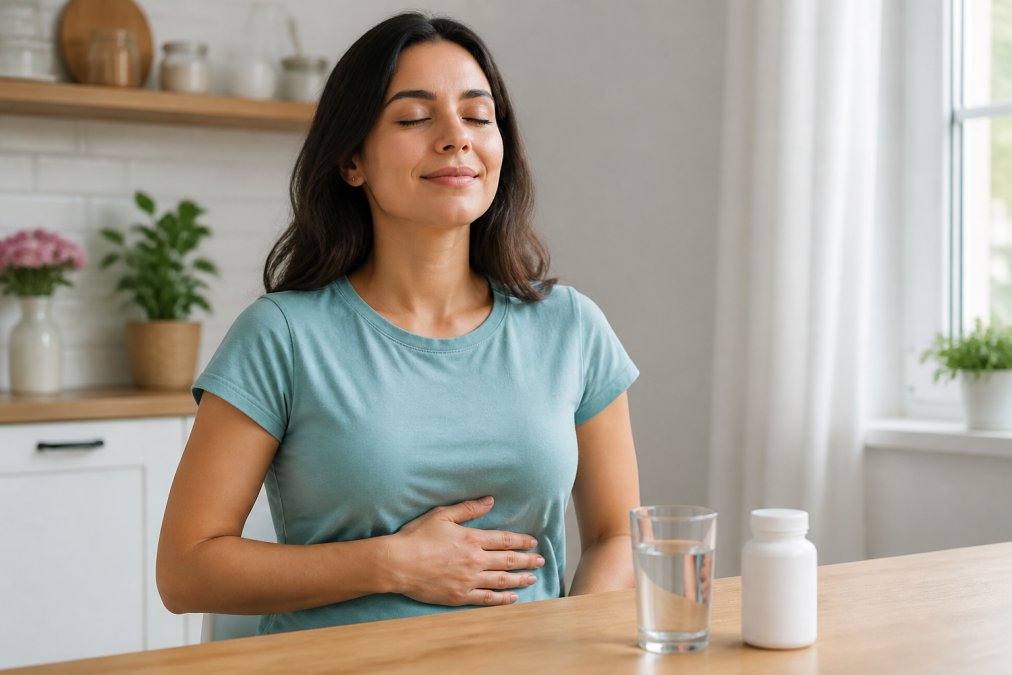
A common mistake is expecting enzymes to fix bloating permanently. They're most effective when taken with meals that trigger your symptoms. If you consistently feel bloated after eating protein-heavy meals, enzymes can provide noticeable relief. However, they don't address the underlying reason your body isn't producing enough enzymes on its own.
How Probiotics Support Gut Health and Reduce Bloating
Probiotics introduce beneficial bacteria into your gut flora, which gradually rebalance your microbiota. Unlike enzymes, probiotics don't work immediately. They colonize your digestive tract over weeks, producing their own enzymes and short-chain fatty acids that support nutrient absorption and reduce inflammation.
A healthy gut microbiome produces its own enzymes and maintains the right pH balance in your digestive tract. When your microbiota is imbalanced, a condition called dysbiosis, harmful bacteria proliferate, triggering gas, bloating, and inconsistent digestion. Probiotics restore balance by crowding out problematic organisms and strengthening your gut barrier.
The real difference between enzymes and probiotics comes down to timing. Enzymes help today. Probiotics help you tomorrow and beyond. This is why many practitioners recommend both: enzymes provide immediate relief while probiotics address the root cause of poor digestive function.
Signs You Need Digestive Enzymes
You're a candidate for digestive enzymes if bloating appears consistently after specific meals, especially those high in protein or fat. This pattern suggests your body isn't producing enough enzymes to handle those macronutrients efficiently. However, not all bloating points to enzyme deficiency, and starting with the wrong supplement wastes time and money.
Use this decision matrix to determine whether enzymes should be your first intervention:
Start with enzymes if:
- Bloating appears within 30 minutes to 2 hours after eating (acute, meal-triggered)
- Symptoms correlate with specific foods: protein-heavy meals, fatty foods, or raw vegetables
- You feel uncomfortably full shortly after eating despite normal portion sizes
- Undigested food is visible in your stool
- Fatigue follows meals (a sign of poor nutrient absorption and incomplete digestion)
- Symptoms are recent or have worsened with age (enzyme production naturally declines after 40)
- You have no history of antibiotic use, food poisoning, or IBS (which suggest dysbiosis)
Start with probiotics instead if:
- Bloating is chronic and generalized, not tied to specific meals
- You have a history of antibiotics, food poisoning, or digestive upset that followed these events
- Your digestion feels "off-balance" overall, with inconsistent bowel habits
- You have diagnosed IBS, leaky gut, or food sensitivities that developed gradually
- Symptoms include both bloating and constipation or diarrhea (dysbiosis indicator)
Consider both together if:
- You have multiple triggers and chronic digestive dysfunction
- Symptoms include post-meal bloating AND chronic imbalance
- You've had prolonged antibiotic use (which depletes beneficial bacteria while potentially damaging enzyme-producing cells)
The thing most guides miss is that enzyme deficiency often develops gradually with age. Your pancreas and small intestine naturally produce fewer enzymes over time. What worked fine at 25 may cause problems at 45. If you've noticed bloating becoming more common as you've gotten older, enzymes might be the missing piece.
Another overlooked factor: digestive enzyme production is suppressed by chronic stress, certain medications (proton pump inhibitors, H2 blockers), and conditions like pancreatic insufficiency. If your enzyme deficiency is secondary to one of these causes, supplemental enzymes address the symptom while you work with a healthcare provider on the root cause.
Benefits of Taking Probiotics Daily
Daily probiotic supplementation supports your gut microbiota in ways that go far beyond bloating relief. A balanced microbiota strengthens your gut barrier, which reduces intestinal permeability and prevents undigested particles from triggering inflammation.
Regular probiotic use supports:
Multi Collagen Peptides w/ Colostrum →
- Consistent, comfortable digestion without gas or cramping
- Improved nutrient bioavailability from the food you eat
- Enhanced immune function (your gut microbiota directly influences immunity)
- Better metabolic function and stable energy levels
- Reduced food sensitivities over time
What separates a person who takes probiotics occasionally from someone who benefits substantially is consistency. Probiotics need time to establish themselves in your gut ecosystem. Most people notice meaningful changes after 4-8 weeks of daily use, not days. This is the core difference between enzymes (fast) and probiotics (patient).
Natural Ways to Reduce Bloating: Enzymes, Probiotics, and Beyond
Supplementation is one approach, but bloating often responds to behavioral changes that support your digestive tract and gut microbiota.
Eating slowly and chewing thoroughly reduces the workload on your digestive system. When you rush through meals, your stomach receives larger food particles, requiring more enzyme production and creating more gas during fermentation.
Fermented foods like yogurt, sauerkraut, and kimchi introduce live bacteria directly into your gut. These foods provide probiotics alongside enzymes naturally produced during fermentation. For many people, dietary probiotics work as well as supplements, the key is consistency.
Hydration matters more than most people realize. Adequate water intake supports nutrient absorption and helps your digestive tract move food efficiently. Dehydration often triggers constipation and bloating.
Managing stress reduces the cortisol spike that impairs digestive enzyme production. Your parasympathetic nervous system (the "rest and digest" state) is where digestion happens optimally. Chronic stress keeps you in sympathetic overdrive, suppressing enzyme secretion.
Can You Take Digestive Enzymes and Probiotics Together?
Yes, and for many people, taking both together is the most effective approach. Enzymes break down food immediately, while probiotics gradually restore your gut microbiota. They don't compete; they complement each other. However, timing and sequencing matter significantly, and most users get this wrong, reducing the benefit of both supplements.
Optimal timing protocol:
Digestive enzymes: Take with the first bite of your meal or within the first few minutes of eating.
Sequencing strategy for new users:
- Week 1-2: Start with enzymes alone at meals. This provides immediate relief and establishes a baseline for your symptoms.
- Week 3: Introduce probiotics at a low dose (5-10 billion CFU) on an empty stomach. Monitor for increased bloating or gas.
- Week 4+: If tolerated, increase probiotic dose gradually to the full recommended amount (typically 25-50 billion CFU daily, depending on the strain and product).
- Week 6+: Continue both at full doses. Most people notice meaningful microbiota changes after 4-8 weeks of consistent use.
Dependency and tolerance concerns:
Microbiome testing before starting:
Conclusion
The choice between digestive enzymes vs probiotics isn't either-or. Enzymes provide immediate relief from bloating by accelerating food breakdown. Probiotics support lasting gut health by restoring your microbiota balance. Most people benefit from both, used strategically based on their symptoms and goals.
| Approach | Best For | Timeline | Key Benefit |
|---|---|---|---|
| Digestive Enzymes | Post-meal bloating, specific trigger foods | Hours | Immediate relief |
| Probiotics | Chronic imbalance, long-term health | Weeks | Lasting microbiota balance |
| Combined (Enzymes + Probiotics) | Comprehensive digestive support | Hours + weeks | Fast relief + sustained health |
| Behavioral changes | Foundational improvement | Ongoing | Sustainable without supplements |
EXTERNAL CITATIONS:
Frequently Asked Questions
Can I take digestive enzymes and probiotics together?
Yes, digestive enzymes and probiotics work through different mechanisms and can be taken together safely. Enzymes break down food in your stomach and small intestine, while probiotics colonize your gut microbiome. Taking them together may actually enhance results: enzymes ensure nutrient absorption while probiotics establish friendly bacteria that support long-term gut balance. Time them properly, take enzymes with meals and probiotics on an empty stomach or as directed on the label for best absorption.
What is the best supplement for abdominal bloating?
The best choice depends on your bloating cause. If bloating follows meals with complex carbohydrates or proteins, digestive enzymes offer fast relief by breaking down food more efficiently. If bloating stems from poor gut flora balance, constipation, or irregular digestion, probiotics address the root issue by restoring healthy gut microbiota. Many people find that combining both, enzymes for immediate symptom relief and probiotics for lasting gut health, provides the most comprehensive approach to reducing bloating over time.
What are the downsides of taking digestive enzymes?
Digestive enzymes are generally well-tolerated, but they address symptoms rather than root causes. Relying on them long-term without addressing underlying issues may mask enzyme deficiency instead of resolving it. Some people experience mild side effects like stomach cramping if they take too much. Enzymes also don't rebuild your gut microbiome, so bloating may return once you stop taking them. For lasting relief, pairing enzymes with probiotics or dietary changes often produces better results than enzymes alone.
How do digestive enzymes differ from probiotics?
Digestive enzymes are proteins that break down food molecules (carbs, fats, proteins) into smaller, absorbable units in your digestive tract. They provide immediate relief from bloating after meals but don't colonize your gut. Probiotics are live beneficial bacteria that establish themselves in your gut microbiome, improving nutrient absorption, supporting immune function, and restoring gut flora balance over weeks to months. Enzymes work fast; probiotics work deep and long-term. Both address different aspects of digestive health.